Historic London Pubs You Can Stay In
Smithfield gallows, Fagin's rookery, Nelson's flag captain and a Victorian bank hall: the London pubs with rooms and the stories they tell, labelled by how far to believe them.
Last reviewed October 2026.
Every city has its famous pubs, but London’s come with a lot of history attached, much of it half-remembered, embroidered over the years or told by the pubs themselves. We think the stories are half the point, so we’ve told them, and checked them as far as we can.
That’s why every story in this guide carries a label. On record means a reliable source confirms it. Local legend means it’s widely told but we found no proof. Disputed means the sources don’t agree. It means you can enjoy the Dickens and the ghosts and the “oldest pub” claims, and still know what’s solid.
What you won’t find is a ranking. This isn’t a list of the best London pubs to stay in; it’s the ones with rooms and a real story, and they’re very different places to sleep. There are Victorian gin palaces, a former bank, a Georgian house, and a tavern built for Victoria Dock passengers. Pick by area first. Soho, Smithfield and Greenwich are very different places to wake up in, and each pub below gives its nearest Tube or rail station and the walk.
A few practical points. Rooms above a working bar can be lively on weekends, so ask for one at the back. Room counts range from three to over forty, and the best ones go first. And these are pubs, not boutique hotels: the bar is the point. We also record each pub’s dog policy and food on its own page, but in London they matter less than the building, the area and the noise.
The landmarks
 The City and Smithfield
Photo: Diliff, CC BY 2.5
Smithfield, six rooms, four or five minutes from Farringdon. A Grade II listed pub dated 1898 on its gable, with tilework attributed to William Neatby of Doulton, in the street beside London's meat market. Smithfield's history is a grim one that is on record: executions, burnings and Bartholomew Fair, though the ghost stories attached to the area are tour lore. A pub-specific legend says it opened early for the market porters, which is how it got its breakfasts; the story is widely repeated and we found no licensing record for it. Worth knowing: much of the interior dates from a 2007 reopening.
The City and SmithfieldPhoto: Diliff, CC BY 2.5
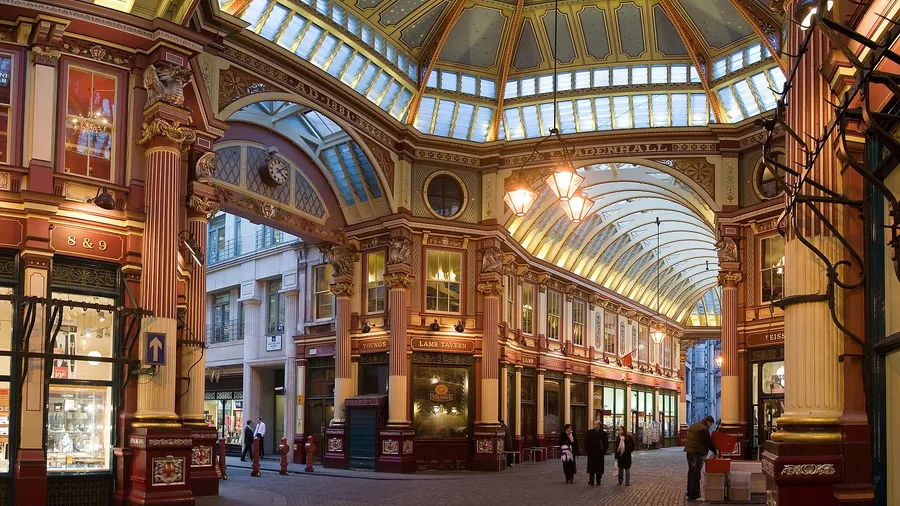
The City, 15 rooms, a few minutes from Bank. The pub fills the domed banking hall of the former Prescott's Bank, a Grade II listed building of 1891-92, and the bedrooms are in the former City University Club, which kept its rooms here for 122 years until the end of 2017. Both are on record. One guide says the foundations rest on a wall of Roman London's basilica, which is disputed: the basilica lay close by, but we found nothing confirming it at this address.
 Holborn and Clerkenwell
Photo: don cload, CC BY-SA 2.0
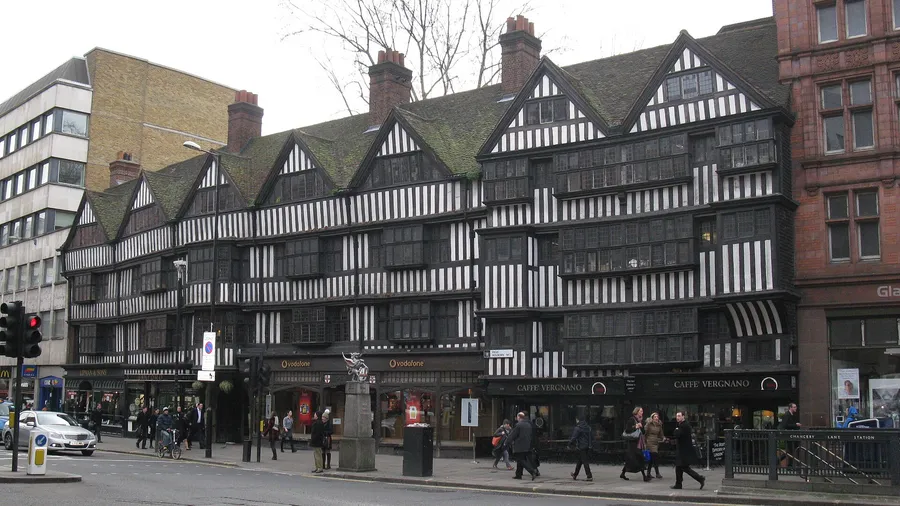
Farringdon, eight rooms, a minute from the station. Saffron Hill was a notorious Victorian slum and Dickens put Fagin's den nearby in Oliver Twist, which is on record, though the building he knew is gone and this one was rebuilt in 1875. That the One Tun was Dickens's local in the 1830s is a story only: sources hedge it and we found no contemporary record. Whether the novel's Three Cripples was a pub or a lodging house next door is disputed.
 Peckham, Dulwich and Herne Hill
Photo: Poliphilo, CC0
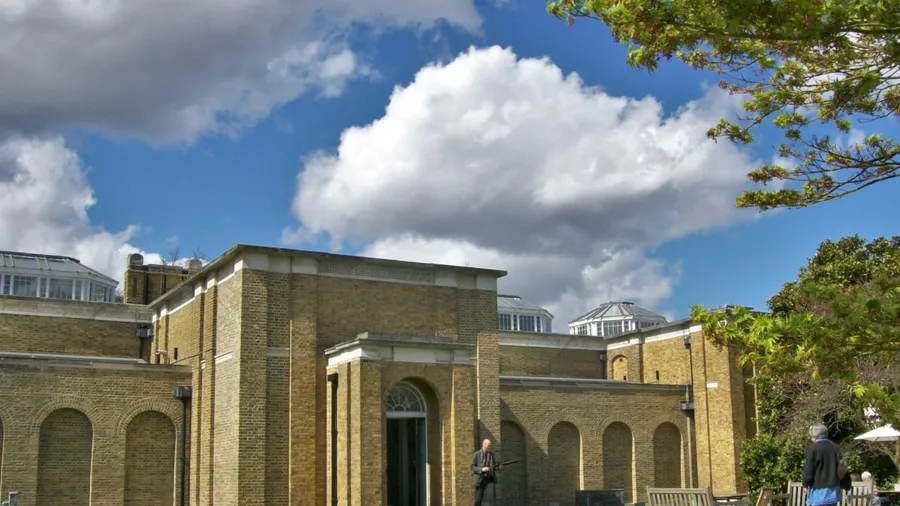
Herne Hill, 12 rooms, four minutes from the station. Grade II* listed and on CAMRA's National Inventory of Historic Pub Interiors, with a building of 1896 by J W Brooker. It hosted U2 three times in 1980, which is on record. That Dylan Thomas drank here and it inspired Under Milk Wood is the pub's own story; we found no contemporary record. A tale of Frank Sinatra dropping in is local legend too.
 Greenwich
Photo: mattbuck, CC BY-SA 4.0
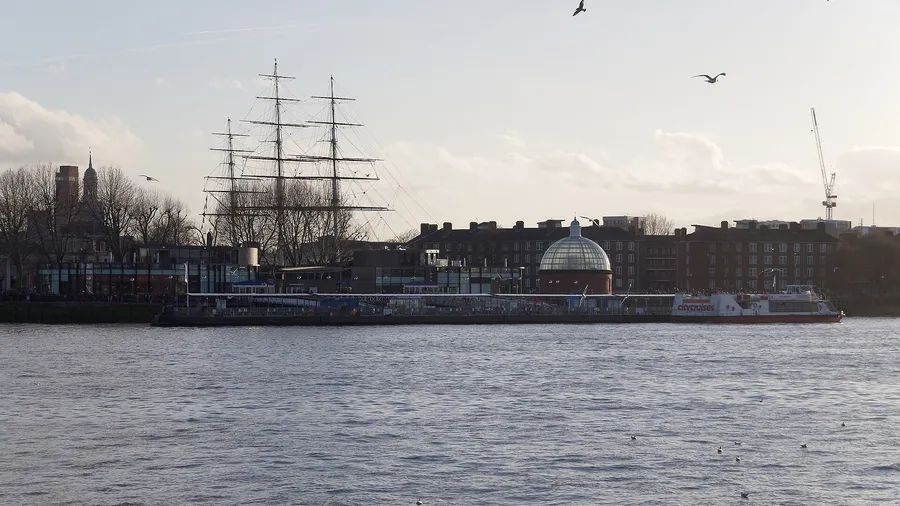
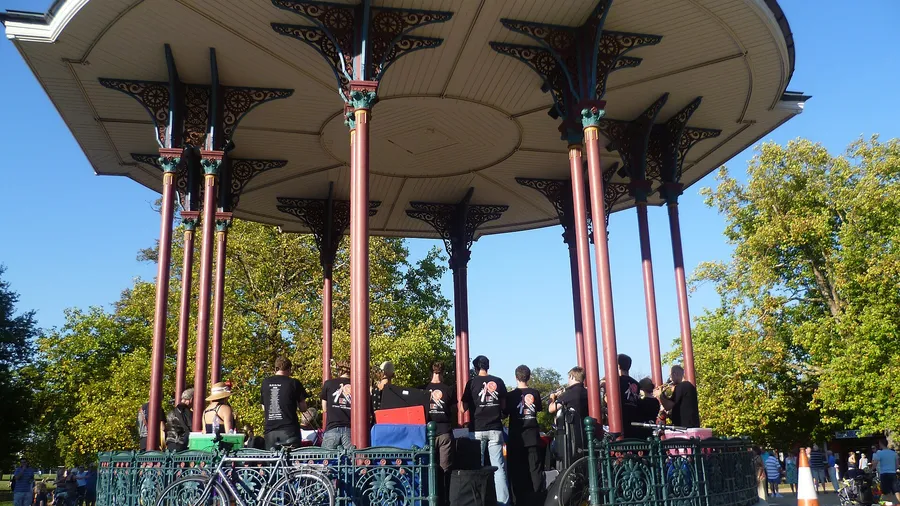
Greenwich, seven rooms, two minutes from Cutty Sark DLR. Named for Thomas Masterman Hardy, captain of HMS Victory at Trafalgar and the man at Nelson's side when he died, later Governor of Greenwich Hospital, which is on record. The old directories are untidy about the name ("Admiral Harvey", "Admirable Hardy"), which is part of the charm. The building is Grade II listed, from about 1836.
 Clapham and Wandsworth
Photo: Marathon, CC BY-SA 2.0
Wandsworth, 21 rooms, nine minutes from Wandsworth Town. A Grade II listed Victorian pub of 1898, in Flemish Renaissance style, across the road from the old Young's Ram Brewery where brewing stopped in September 2006. CAMRA rates the saloon's etched and mirrored glass as a historic interior of national importance, though a 2020 refurbishment lost some coloured glass.
 Soho and the West End
Photo: Marathon, CC BY-SA 2.0
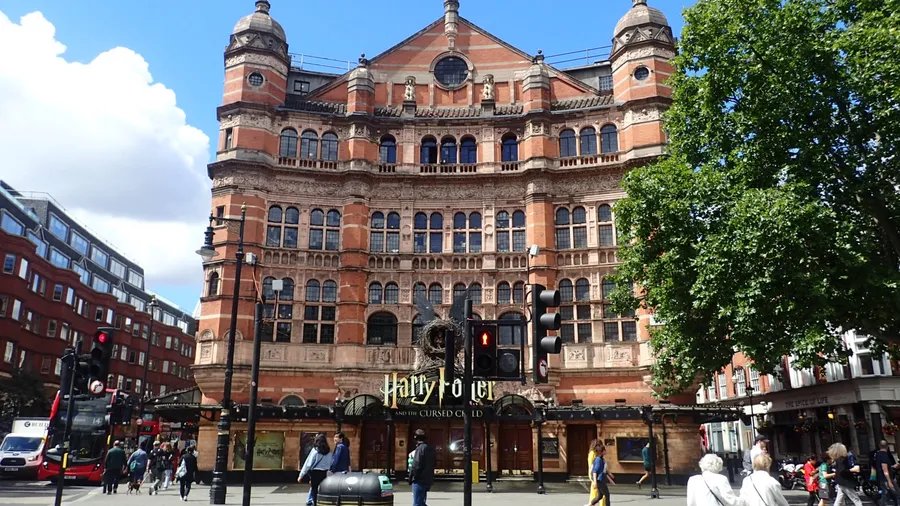
Soho, 12 rooms, four minutes from Leicester Square. Records show a pub on this corner since at least 1759, as the George & Thirteen Cantons. As the Scots Hoose, its upstairs room hosted a celebrated folk club in the 1950s and 60s, with Bert Jansch, Ralph McTell and Sandy Denny among those named, on record. Later rock and punk names are pub folklore, since the sources are uncited.
 Shoreditch and the East End
Photo: Alan Stanton (cropped), CC BY-SA 2.0
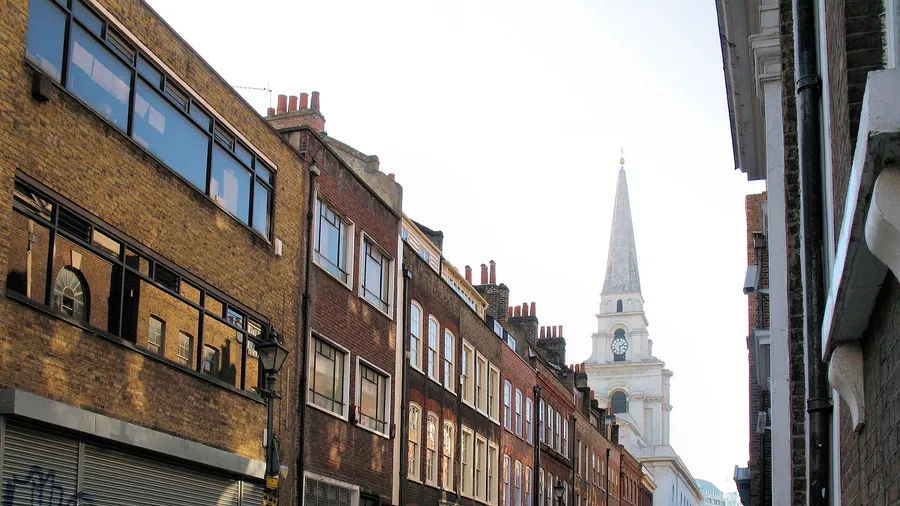
The East End, five rooms, two minutes from Aldgate East. Named for Nicholas Culpeper, the Spitalfields herbalist who died in 1654 at his house in Red Lion Fields nearby, which is on record. Like most pubs in the area it features in Jack the Ripper tales: the old Princess Alice is reported to be the last place Frances Coles was seen in 1891, but whether she was a Ripper victim is long disputed, so we leave it there.
More London pubs with a story
North Greenwich, 10 rooms, a longer walk from the Jubilee line. A tablet reads "Ceylon Place, New East Greenwich 1801", making it probably the oldest surviving building on the Peninsula, and the cottages beside it were the backdrop to Blur's "Park Life" video. Whether it's named after William Pitt "the Pilot" or the Thames pilot's boat is disputed.
Westminster, 34 rooms, three minutes from St James's Park. A Fuller's pub with a hotel attached rather than an old coaching inn, named for Westminster Abbey's medieval sanctuary, which is on record. The hotel's own history page repeats stories of secret tunnels to nearby Westminster buildings; we found nothing to show any exists. Where Jeremy Corbyn led The Red Flag in September 2015 is disputed between this pub and the Red Lion.
Wimbledon Village, 25 rooms, a longer walk from the station. CAMRA says the inn was mentioned in 1617 as the last coaching stop into London, and that it hosted the Volunteers drilled against French invasion in 1797. The building is Victorian, rebuilt in 1869. The pub's own claim that Earl Spencer commissioned it is, by its own account, "historic rumours".
Clapham Common, 42 rooms, five minutes from the Tube. The date everyone quotes is 1665, but it is disputed: a Lambeth archive note puts it first on record in 1729, with the present building from about 1797, and it is Grade II listed. The story that the founder of the Scouts wrote his first guide upstairs has one source and is better tied to Wimbledon, so treat it with suspicion.
Parsons Green, 15 rooms, five minutes from the station. A Grade II listed Georgian house of 1805-6, built on the site where Samuel Richardson, the author of Pamela and Clarissa, lived until his death in 1761, which is on record. The name is said to come from a dower house of Catherine of Aragon; we could trace that only to the pub's own website and local tradition.
The Royal Docks, 18 rooms, five minutes from Prince Regent DLR. Opened in 1881 as the Connaught Tavern for passengers at Victoria Dock, later serving dockers waiting to be picked for work. A haunted-pubs book of 1972 tells of a second-floor room with a ghost called Old Mary; it's a local legend, told from that one book.
Holborn, three rooms, five minutes from Chancery Lane. A Grade II listed corner pub of 1877 by J W Brooker, with a carved panel of a mounted Yorkshire Grey soldier above the door, recorded as carved by a "Mr Plows" in 1878. The pub says a Yorkshire Grey has stood in Holborn since 1676, but we couldn't trace the record behind it, so read that as the pub's claim.
Questions people ask
Can you stay in a pub in London?
Yes. A number of London pubs let bedrooms above the bar, from a handful of rooms at the Fox & Anchor in Smithfield to more than forty at the Windmill on Clapham Common. We list the ones we've found across 15 areas, each with its nearest Tube or rail station.
Are the rooms above London pubs noisy?
They can be, particularly on Friday and Saturday nights, and in old buildings the walls and floors are what they are. If sleep matters, ask for the room furthest from the bar when you book, and book early.
Which London pubs with rooms are the oldest?
Be wary of "oldest" claims. Records put a pub on the Spice of Life's corner in Soho by 1759 and an alehouse on the One Tun's site in Farringdon in 1759, but most of the buildings you see are Victorian rebuilds. Dates like the Yorkshire Grey's 1676 and the Windmill's 1665 are the pubs' own or disputed, and we label them as such.
How do you decide whether a pub story is true?
We label every story. "On record" means a reliable source confirms it, such as a listing entry, the Survey of London or a named historical record. "Local legend" means it's widely told but we found no proof, and "Disputed" means sources disagree. Where only the pub tells the story, we say so.